
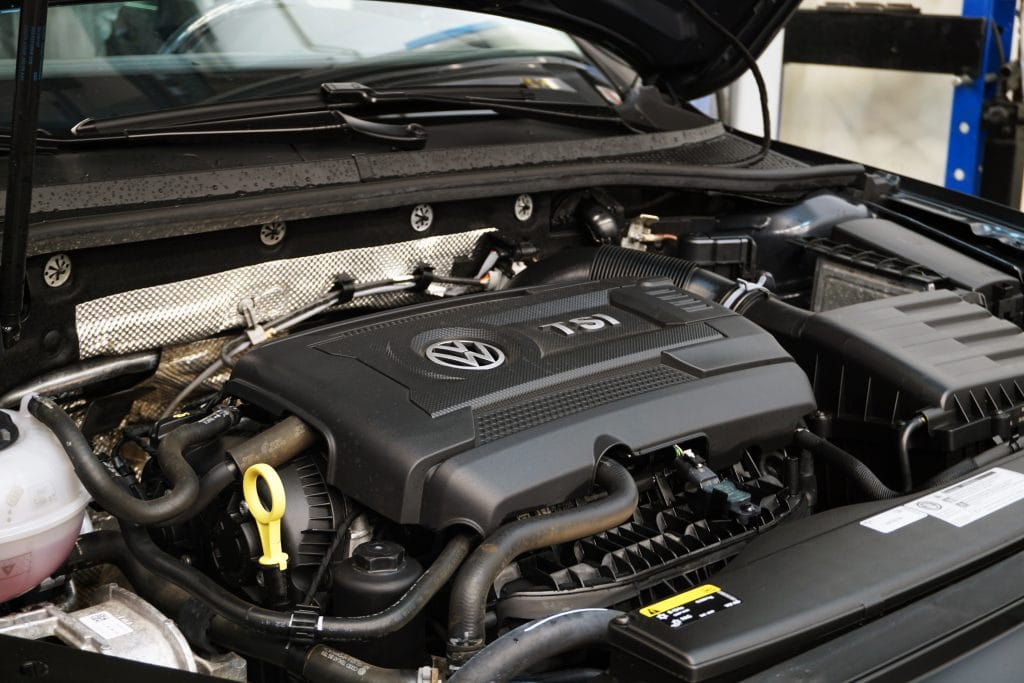
Vehicle inspections are an important step in maintaining a reliable car or evaluating a used vehicle before buying it. Many drivers in Minneapolis, MN wonder how long the process takes and what mechanics actually check during an inspection. Whether you are preparing to purchase a used car or simply want to confirm that your vehicle is running properly, understanding the inspection process helps you plan your time and make better decisions.
A Mobile Mechanic Minneapolis, MN service allows vehicle inspections to be completed at your location, whether the car is parked at home, at work, or at a seller’s property. Instead of scheduling time at a repair shop, the mechanic travels directly to the vehicle and performs the inspection on site.
In this guide, we will explain how long vehicle inspections typically take, what mechanics evaluate during the process, and why scheduling an inspection is a smart step for drivers in Minneapolis.
What Is a Vehicle Inspection?
A vehicle inspection is a detailed check of a car’s major systems and components. Mechanics evaluate mechanical, safety, and performance elements to determine whether the vehicle is functioning properly.
Vehicle inspections are often performed for several reasons, including:
• Buying a used vehicle
• Identifying potential mechanical issues
• Checking safety components
• Evaluating the overall condition of the vehicle
• Preparing for long trips or seasonal driving
For buyers considering a used car, scheduling an inspection with a Mobile Mechanic Minneapolis, MN can reveal hidden problems before finalising the purchase.
How Long Does a Vehicle Inspection Take in Minneapolis, MN?
In most cases, a vehicle inspection takes 45 minutes to 90 minutes. The exact time depends on several factors such as the type of inspection, the condition of the vehicle, and whether diagnostic testing is required.
Mobile mechanics typically follow a structured inspection process to ensure every important component is evaluated.
Typical Vehicle Inspection Timeline
| Inspection Step | Estimated Time |
|---|---|
| Exterior inspection | 10 to 15 minutes |
| Engine and mechanical systems | 15 to 25 minutes |
| Brake and suspension check | 10 to 20 minutes |
| Electrical and diagnostic scan | 10 to 15 minutes |
| Test drive evaluation | 10 to 15 minutes |
This process allows the mechanic to review the vehicle thoroughly while still completing the inspection within about an hour.
Factors That Affect Inspection Time
Although most inspections fall within the one hour range, several factors can influence how long the process takes.
Vehicle Age and Condition
Older vehicles may require additional time because mechanics need to examine more components for wear or damage. Cars that show signs of poor maintenance may also require extra checks.
Type of Inspection
Different types of inspections vary in detail. For example:
• Pre purchase inspection for used cars
• Routine vehicle condition check
• Diagnostic inspection for warning lights
• Safety inspection before long trips
Pre purchase inspections tend to take the longest because mechanics evaluate many systems to determine whether the vehicle is worth buying.
Diagnostic Testing
Modern vehicles rely heavily on electronic systems. Mechanics often connect diagnostic scanners to the vehicle’s computer to check for stored trouble codes.
Diagnostic testing can add a few extra minutes but helps identify hidden issues.
What Mechanics Check During a Vehicle Inspection
A professional vehicle inspection includes checking many components that affect safety and performance.
Engine Condition
The engine is one of the most important parts of the inspection. Mechanics examine the engine for signs of wear or damage.
Typical engine checks include:
• Oil level and oil condition
• Fluid leaks around the engine
• Belt and hose condition
• Engine noises or vibrations
These checks help identify early signs of engine problems that could lead to costly repairs.
Brake System
The braking system is essential for vehicle safety. Mechanics inspect the brake system carefully to ensure it is functioning correctly.
Brake inspection includes checking:
• Brake pad thickness
• Brake rotor condition
• Brake fluid level
• Brake line condition
If any components show excessive wear, repairs may be recommended.
Suspension and Steering Components
Suspension and steering systems help maintain vehicle stability and handling. Mechanics inspect these components to ensure the car drives safely.
Common suspension checks include:
• Shock absorbers
• Struts
• Ball joints
• Control arms
• Steering linkage
Problems in these areas may cause poor handling or uneven tire wear.
Electrical System
Modern vehicles rely on many electronic components. Mechanics inspect the electrical system to ensure these systems are functioning correctly.
Electrical system checks include:
• Battery condition
• Alternator performance
• Wiring connections
• Dashboard warning lights
Diagnostic scanners help identify hidden issues that may not be immediately visible.
Tires and Alignment
Tires often reveal important information about the condition of the vehicle.
Mechanics typically check:
• Tire tread depth
• Tire wear patterns
• Tire damage
• Signs of alignment issues
Uneven tire wear may indicate suspension problems or improper alignment.
Why Mobile Vehicle Inspections Are Convenient
Scheduling an inspection with a Mobile Mechanic Minneapolis, MN provides several advantages compared to traditional repair shops.
On Site Service
Mobile mechanics travel directly to the vehicle location. This is particularly helpful when inspecting a used car at a dealership or private seller’s home.
Faster Scheduling
Mobile services often allow faster appointment scheduling because there is no need to wait for space in a busy repair shop.
Saves Time
Drivers do not need to transport the vehicle to a repair shop or wait in a service lounge. The inspection is completed where the vehicle is parked.
This convenience makes mobile inspections popular among busy professionals and used car buyers.
When Should You Schedule a Vehicle Inspection?
Vehicle inspections are useful in several situations.
Drivers in Minneapolis often schedule inspections when:
• Buying a used car
• Warning lights appear on the dashboard
• Preparing for long trips
• Experiencing unusual noises or vibrations
• After purchasing a used vehicle
Early detection of mechanical issues can prevent expensive repairs later.
Key Takeaways for Drivers in Minneapolis, MN
Vehicle inspections play an important role in maintaining safe and reliable transportation. Most inspections take 45 to 90 minutes, depending on the type of inspection and the condition of the vehicle.
During an inspection, mechanics typically check:
• Engine condition
• Brake system components
• Suspension and steering parts
• Electrical systems
• Tire condition and alignment
Scheduling an inspection with a Mobile Mechanic Minneapolis, MN allows drivers to understand the true condition of a vehicle before making important decisions.
Schedule a Vehicle Inspection With a Mobile Mechanic Minneapolis, MN
If you are planning to purchase a used vehicle or want to check the condition of your current car, scheduling a professional inspection is a smart step.
A Mobile Mechanic Minneapolis, MN can inspect your vehicle at your location and provide a detailed evaluation of its mechanical condition. This service helps drivers identify problems early and avoid unexpected repairs.
Contact a mobile mechanic today to schedule a vehicle inspection and keep your car running safely and reliably.